Steady Cadence 29.04. - 25.06.2011


Responding Environs;
fwd

bwd
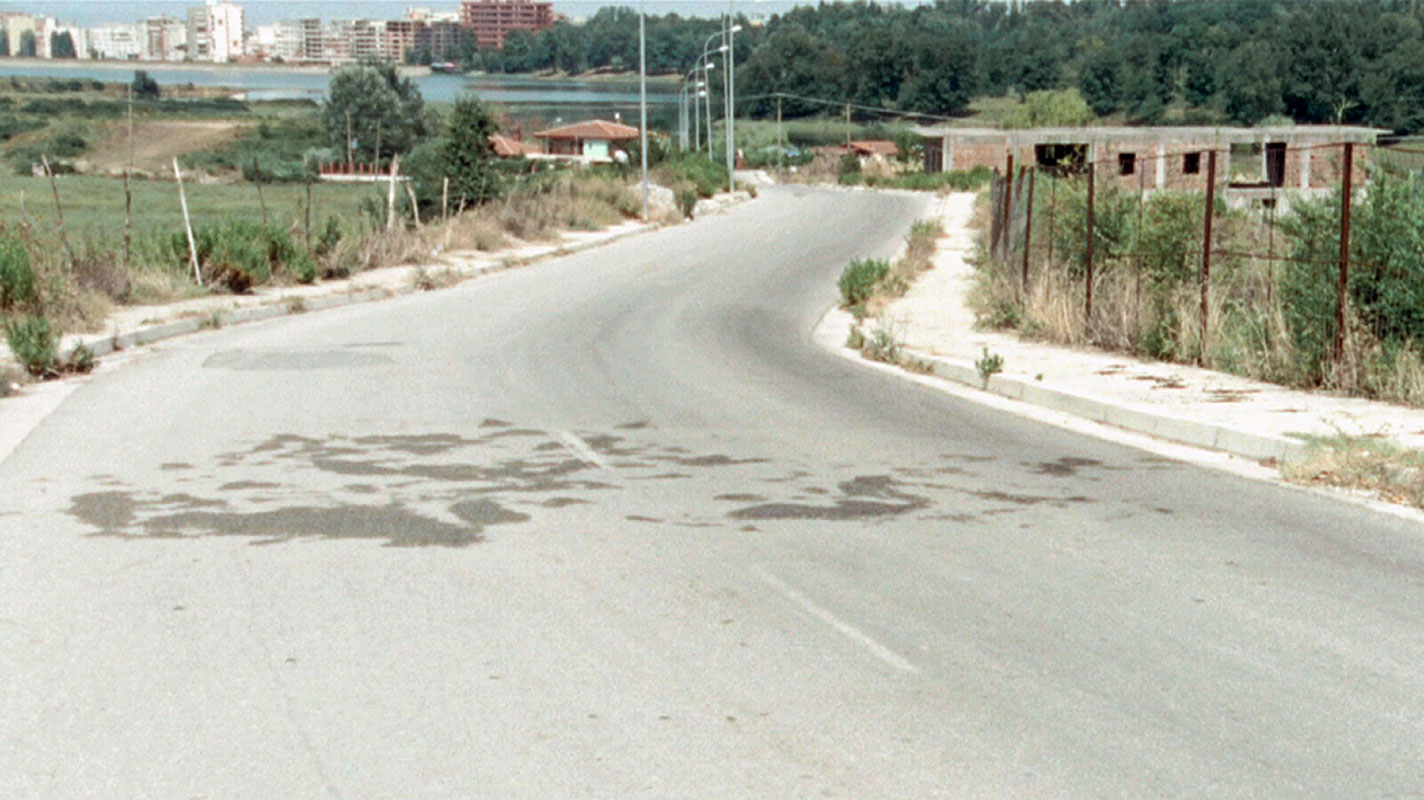
Responding Environs;2009; 16mm Film on HD, Blu Ray Disc; 8:48 Min; variable; 1/5

Berlin-based artist Silva Agostini will be showing her latest photographs and film works in her second solo exhibition, “Steady Cadence,” at Galerie Isabella Czarnowska. The title “Steady Cadence” describes the division of time by rhythm, which is the underlying theme of the entire exhibition. Silva Agostini stages, ironizes and entangles time, thus creating complex, cinematic scenes.

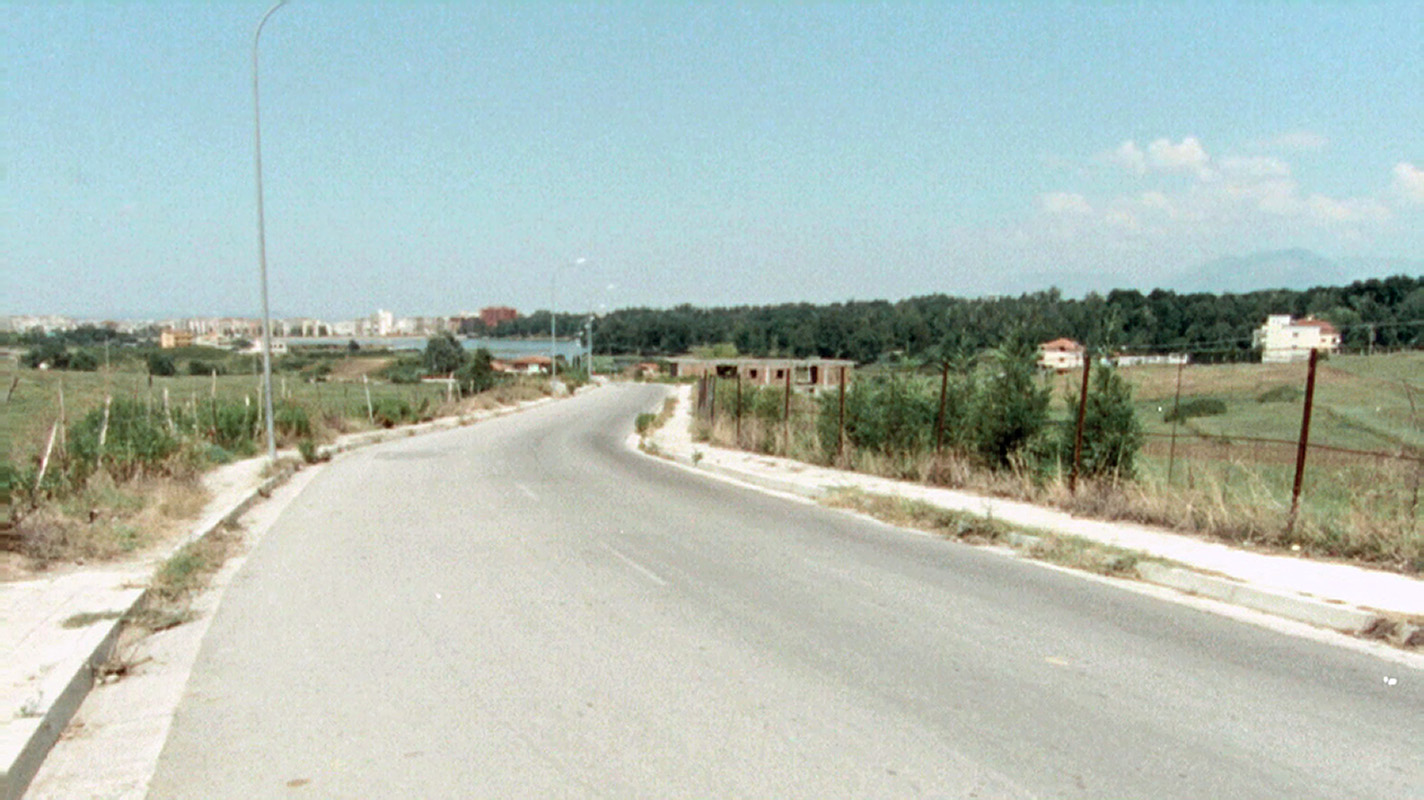
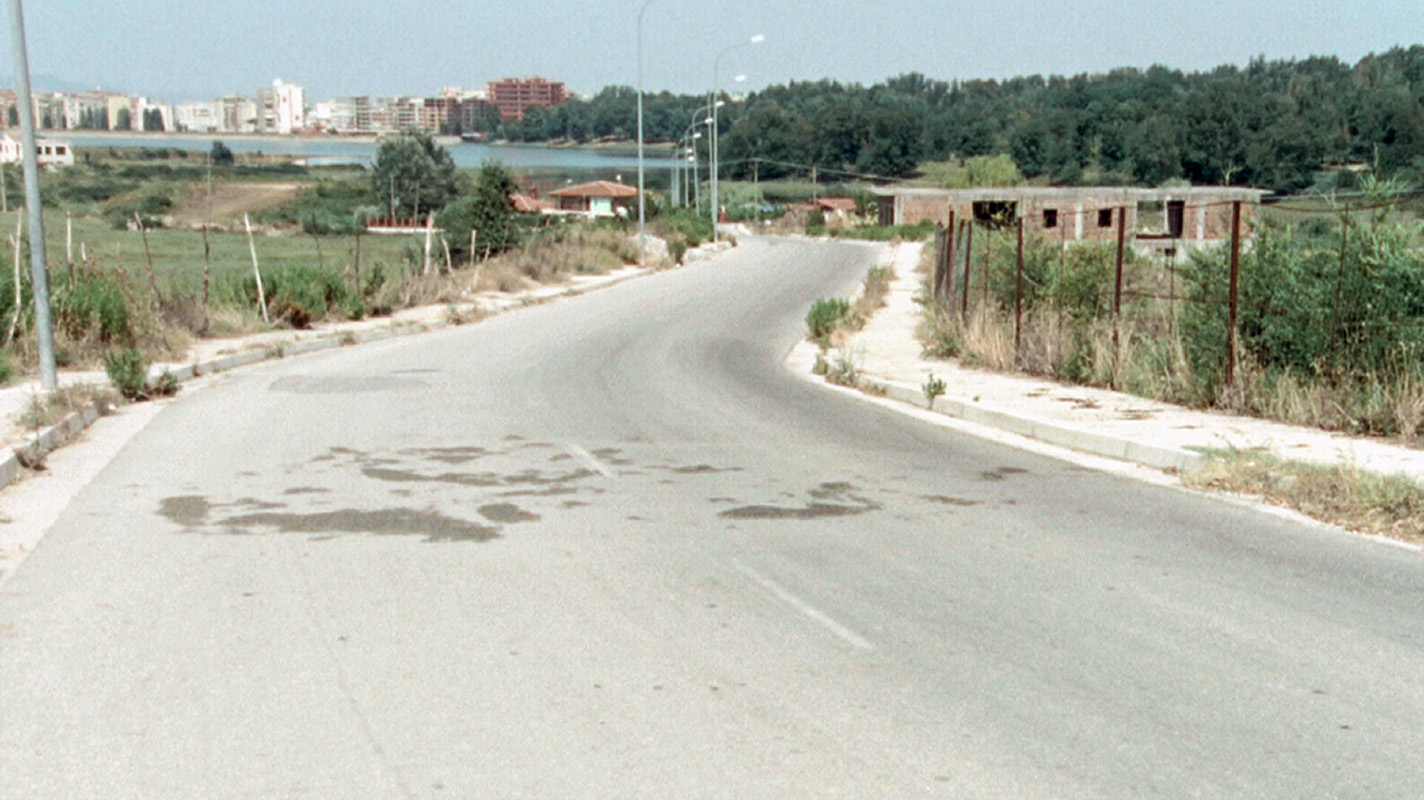
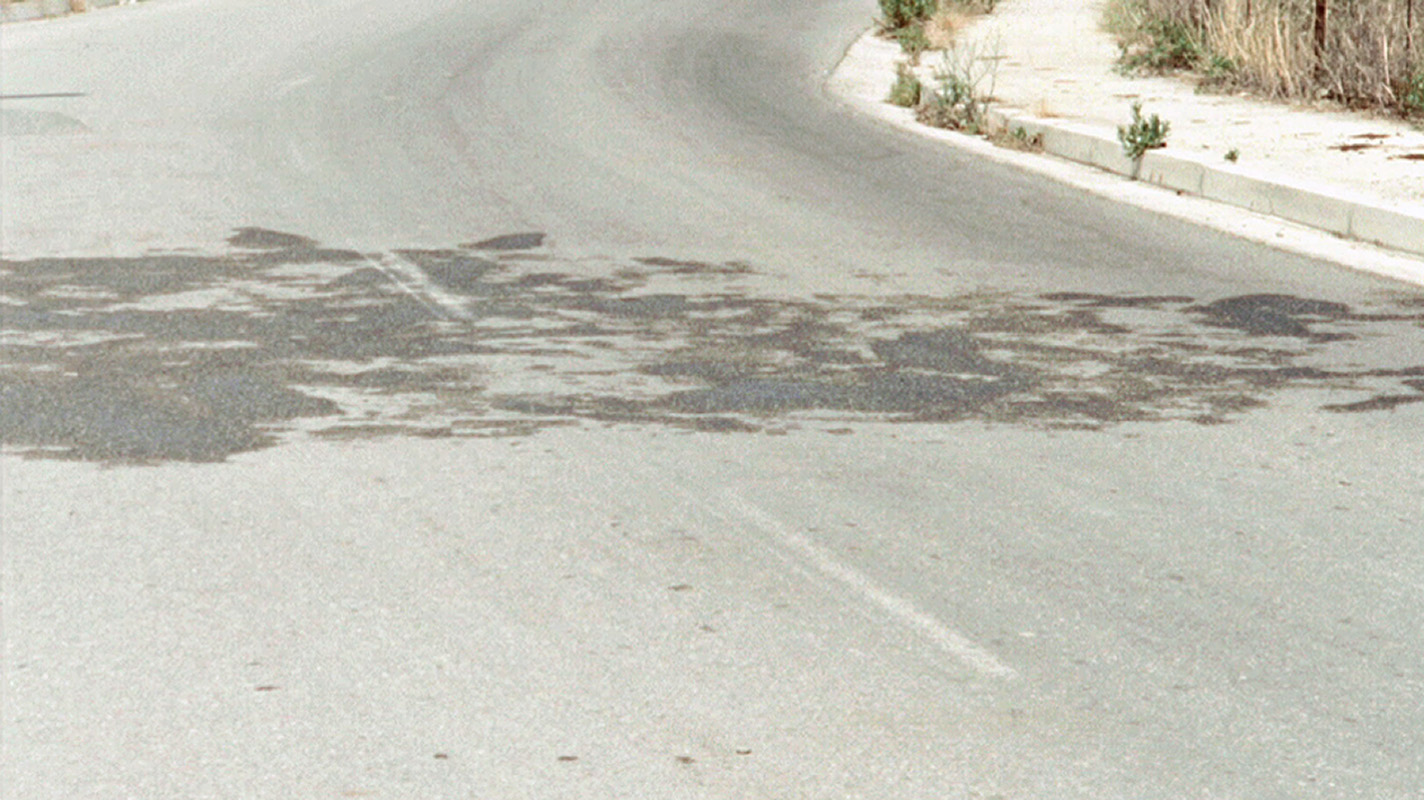
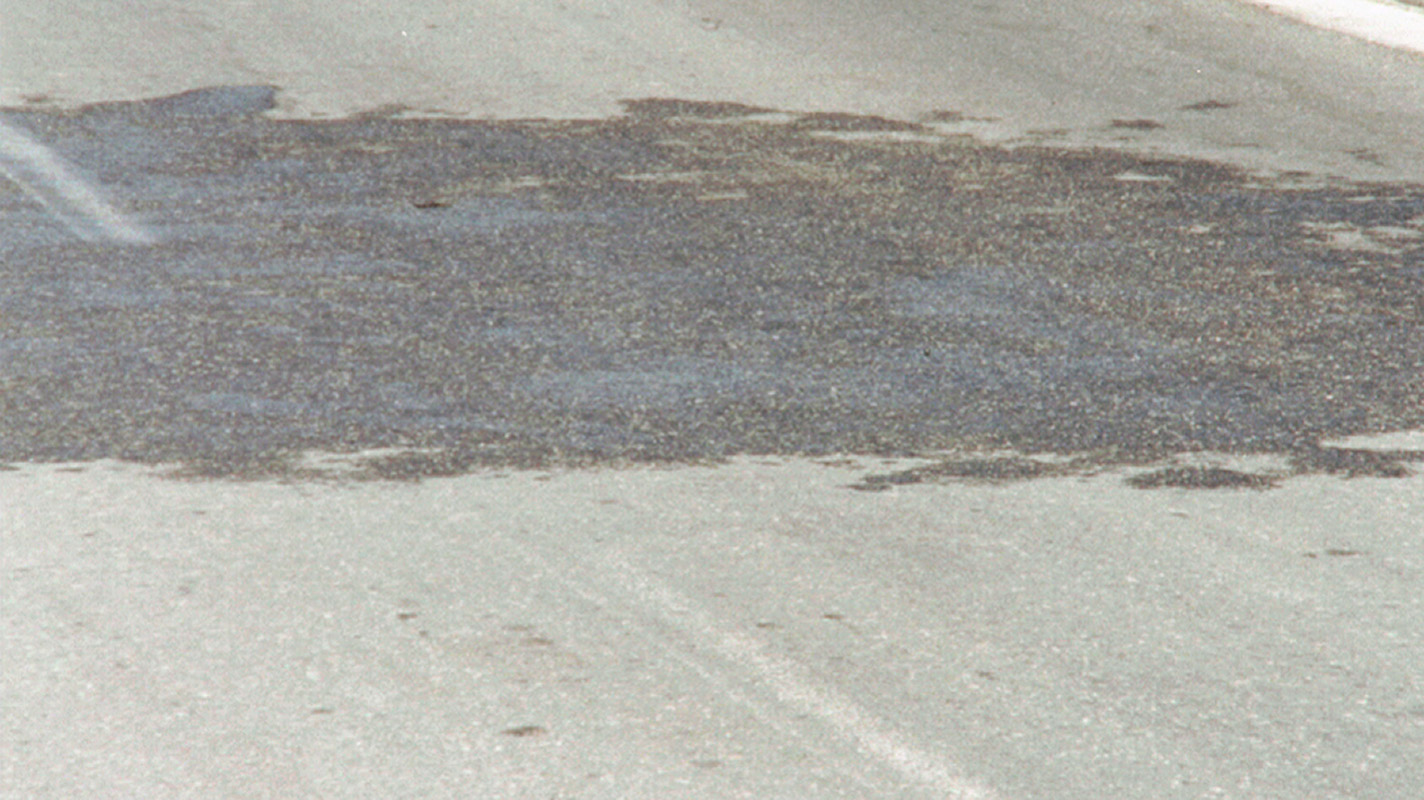
In the First Room of the Exhibition, Silva Agostini will be showing her film, “Responding Environs”. We can see a puddle of water on a country road in a bleak landscape. The length of the film is determined by the time it takes the puddle to evaporate and disappear. The preconditions of nature, the limitations of technology, and narration reduced to the bare minimum necessary are all features of this structural experimental film. By these means, Silva Agostini depicts a landscape consuming itself. The heat of the wasteland sucks the puddle of water away and leaves us with a feeling of finality. Agostini subtly creates a brief illusion of forward motion and change.

Agostini’s works always strike a critical chord. Her cinematic and photographic work shows minimally staged landscape situations located within the experience of a contradictory society. In her works, she depicts a reality that looks the same when starting or stopping.

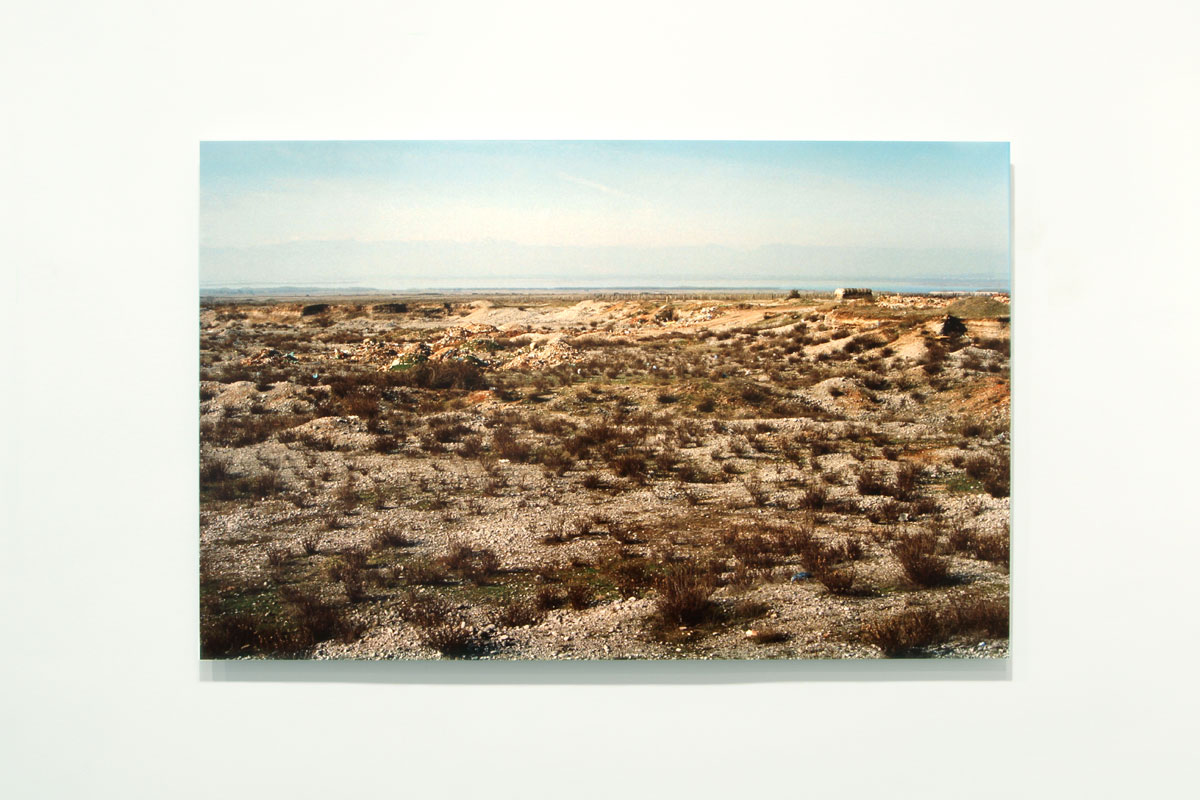
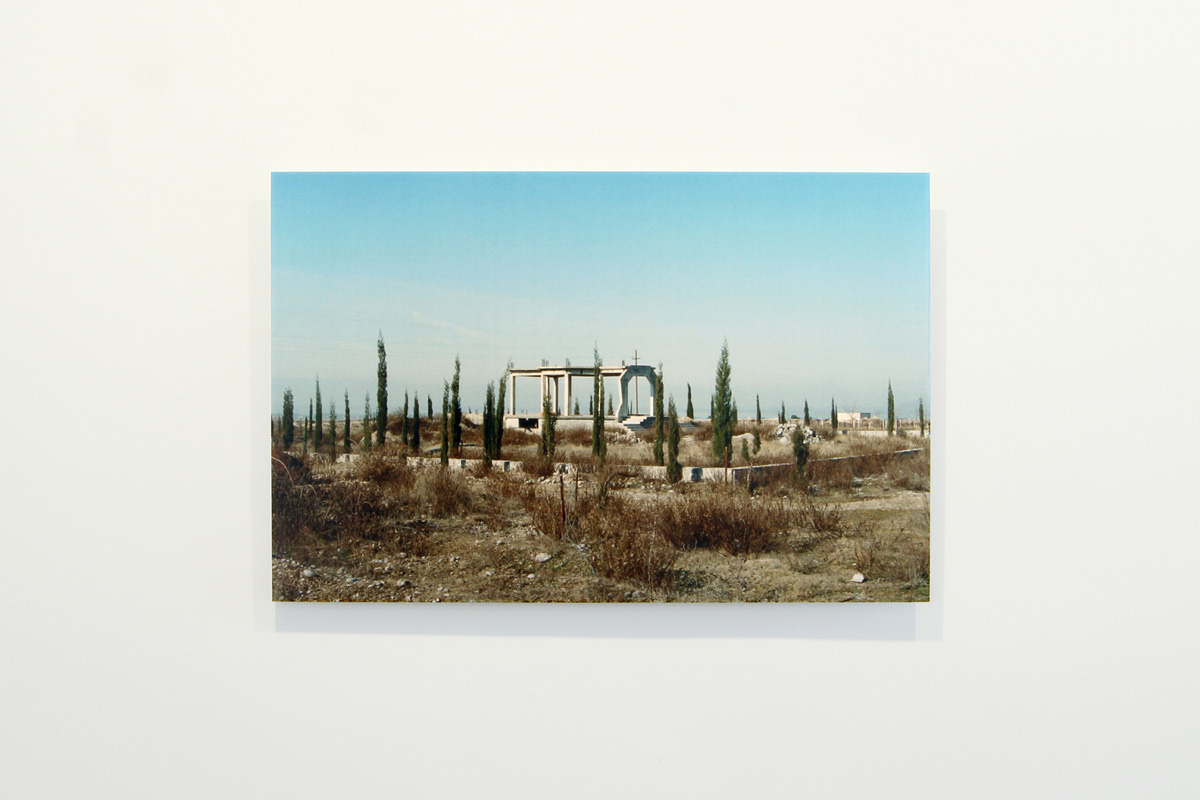
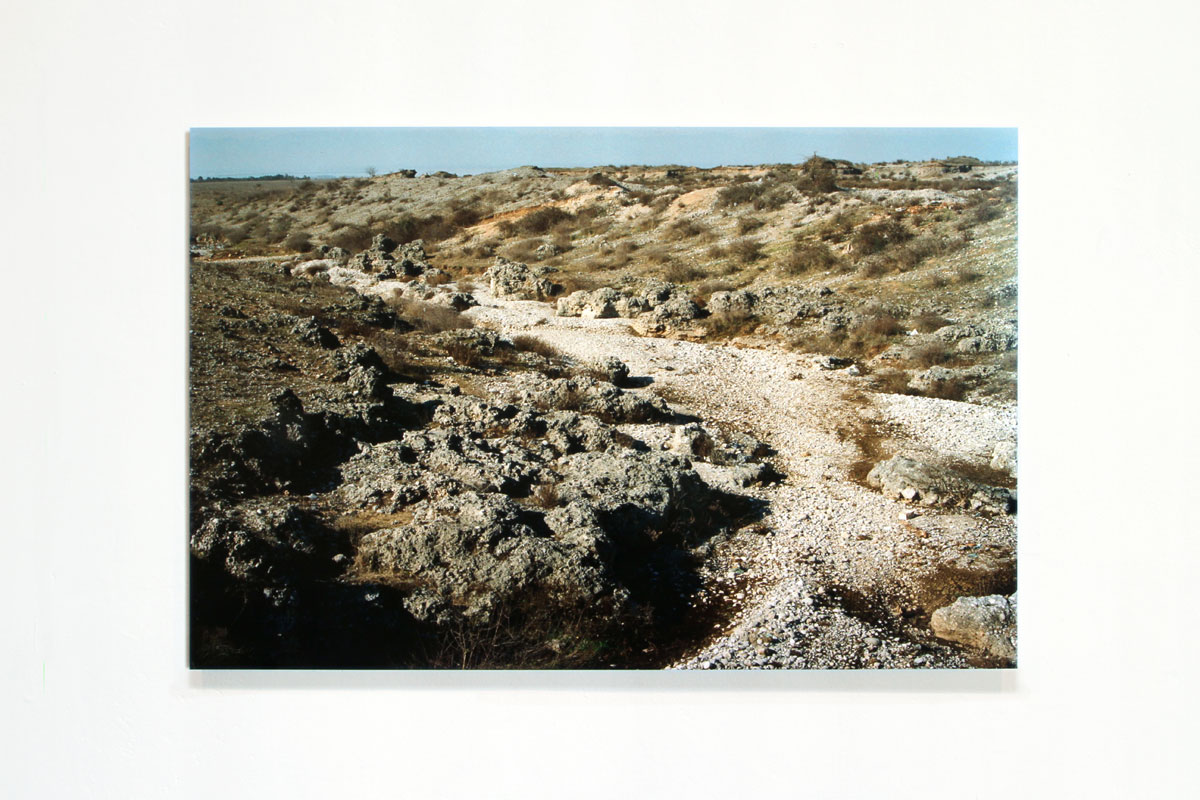
What is stagnation? These issues are primarily addressed in her large-format photographs. Desolation as far as the eye can see, abandoned building projects, dried-up rivers. Silva Agostini shows us the end of the beginning.

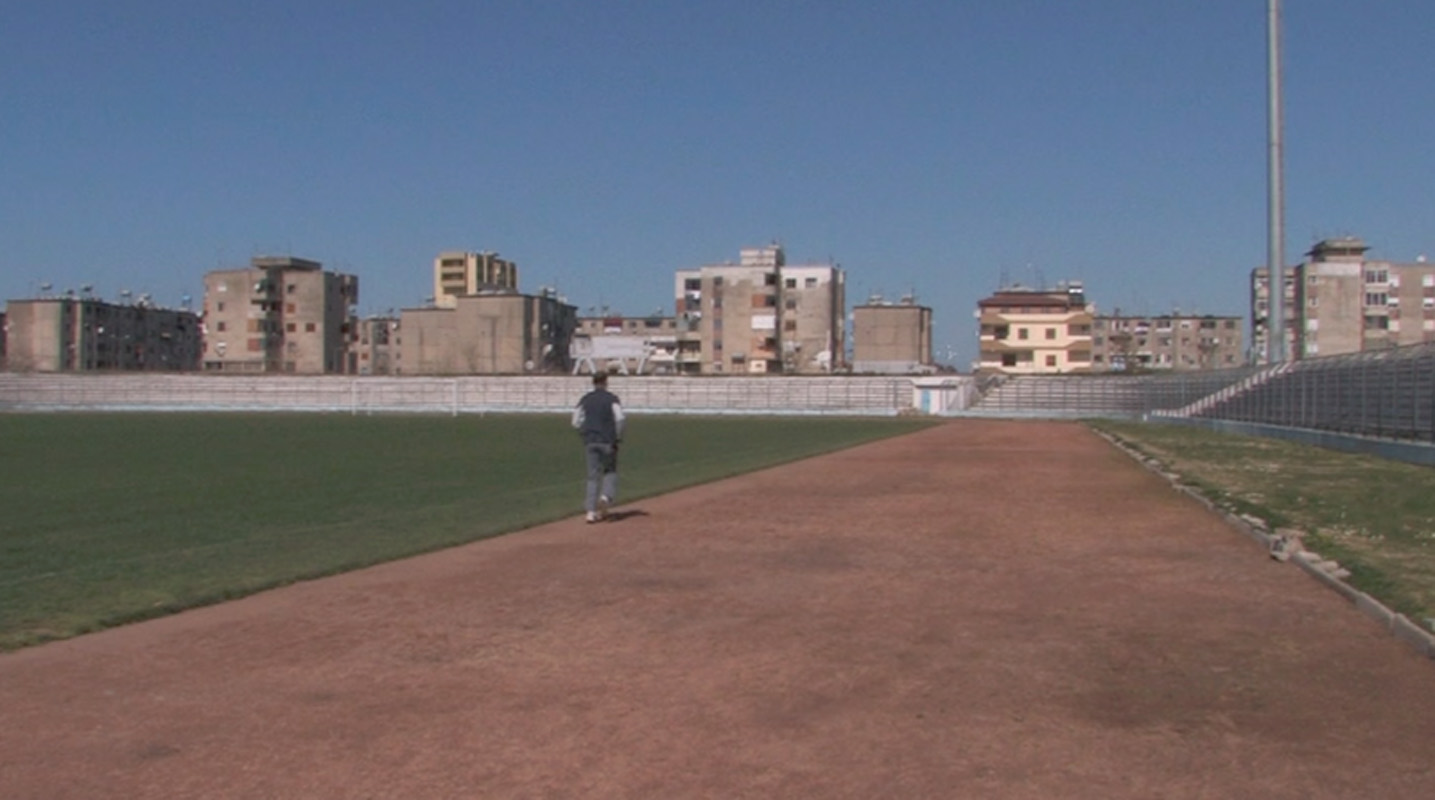
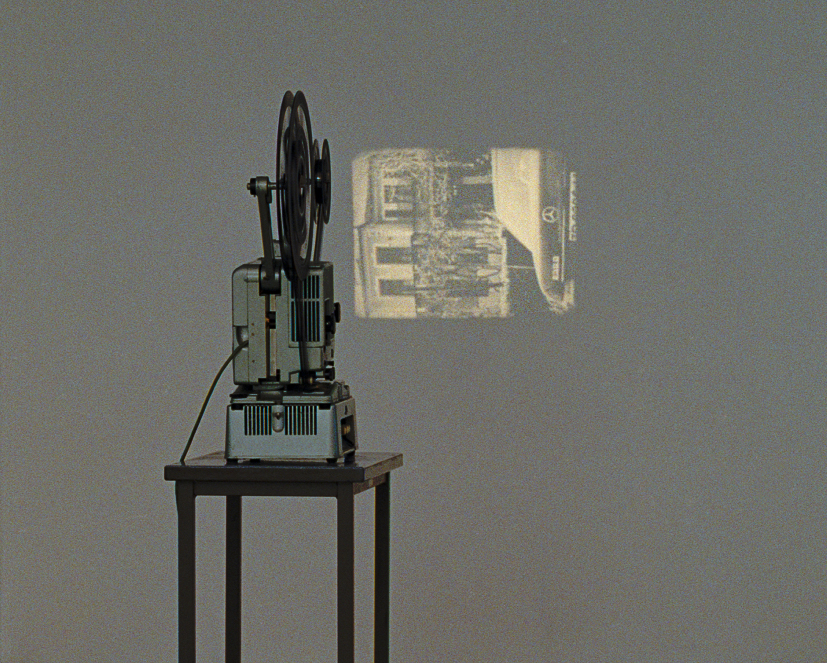
Her latest film explores the idea of a family heirloom. Agostini’s grandfather, an athlete himself, has been entering national racing records in a notebook for decades. The distances and times are handwritten, and the tabs and tags have been carefully added. Agostini has given the yellowing book centre stage. Simultaneously, a runner runs endless laps around a sports field. In the film, the athlete seems to be trapped as he endlessly circles the architecture of the stadium. The houses lining the background of the stadium reveal the unmistakable location of the video footage in the old Eastern Bloc. The film entangles eras far removed from other. For over 50 years, results have been meticulously recorded to the last millisecond.

Milliseconds of triumph, a cinematic eternity and decades of meticulous work coagulate in this film to form a reflection on the elapsing and sufficiency of time.

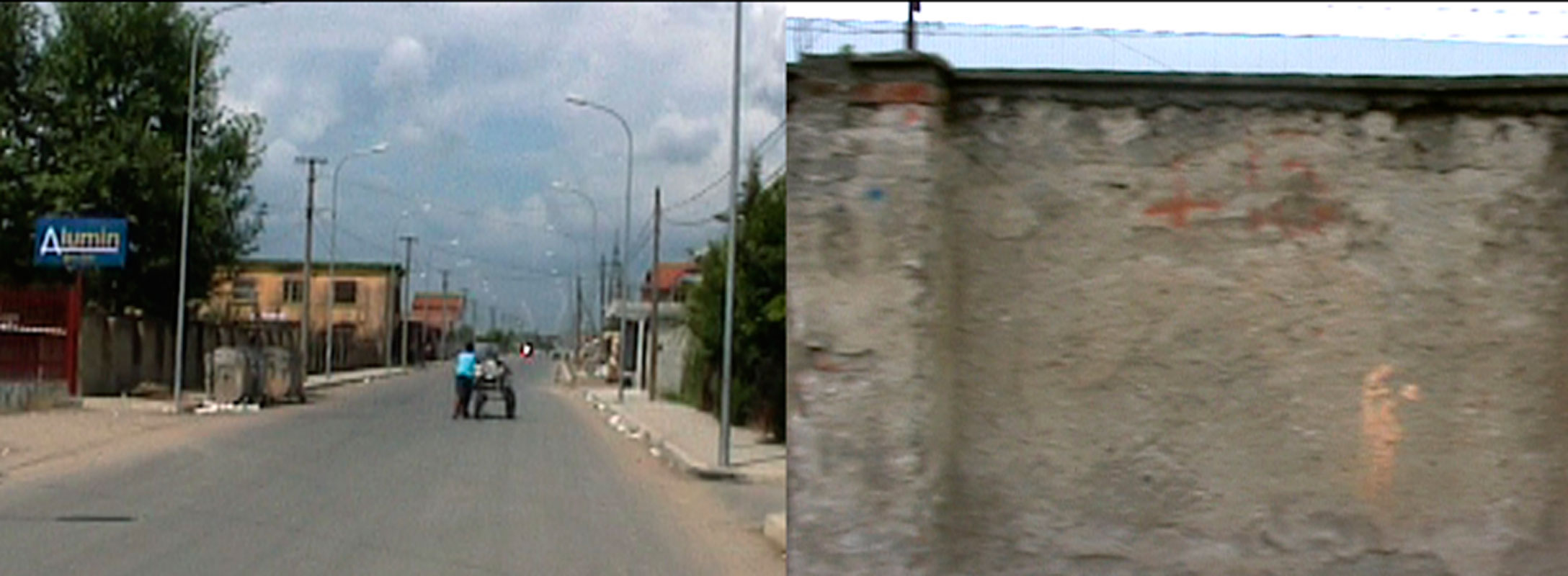
In the last room, her piece “Displacing Motion” can be viewed– the whole film consists of a tracking shot along a street that is distinguished by nothing other than being unremarkable. A plastic bottle is lying on the street. Over time, cars drive across the scene, driving over the bottle in the process and thus taking it further down the street each time.

The cars drive over the bottle at various speeds. An absurd suspense grows. Here, Agostini comically stages the very act of staging, reducing the style of film, motion, tracking shot and narration to absurdity. The film ends in a radical negation of the story. The bottle is driven out of the picture and the camera continues filming into the void. Minimal drama can be seen. The viewer is left behind, stunned. Now, not only the protagonist is out of view, but the whole cast seems to disappear. The entire film comes to nothing, and all that remains is film in itself. The soundtrack of the rhythmic transmission marks the passage of time in the piece like a skewed clock’s hourly chime.

Nina Hoffmann, Berlin, 2011

responding environs 25.02.10 - 27.02.2010


responding environs; 2009; 16 mm film on HD video; 7:03 min, variable
fwd

bwd
responding environs; 2009; 16 mm film on HD video; 7:03 min, variable

Acknowledgement: curated by Raimar Stange... 20.06.2009 – 01.08.2009


Asta Gröting; Dank an Jürgen Drescher / 1981 – 2009; 2009; black-white and colour prints; 23 photographs
fwd

bwd
Asta Gröting; Dank an Jürgen Drescher / 1981 – 2009; 2009; black-white and colour prints; 23 photographs


...the colleagues, companions and friends of Jürgen Drescher who are taking part in this exhibition. For Jürgen Drescher is probably someone who can justifiably be described as an ”artistÕs artist“, i.e. an artist who has for a number of years enjoyed the respect of his colleagues in the art world, an “inside tip“, as it were.  And he is an artist who in 1981 created a piece of German art history by exhibiting a functioning bar installation at the student show at the Dusseldorf Kunstakademie and proclaiming it a work of art. The “Dank an” (“Acknowledgment to”) exhibition showcases artists from three generations who enter into a dialogue with this “artistÕs artist.” At this exhibition they are showing self-selected works that are influenced by DrescherÕs artistic output. These connections range widely, from a friendly, almost intimate gesture (Asta Gröting, Bernd Krauß) to various formal references. Allusion is made to the sculptural works of Jürgen Drescher (Katharina Fritsch, Miroslaw Balka, Michael Sailstorfer), to his text-based creations (Candice Breitz, Christine Würmell) and to his film products (Silva Agostini, Anna Witt). However, the formal references to the art of Jürgen Drescher always prove neither accidental nor clearly intentional. Rather these references stem from a parallel questioning of and similar attitudes to art and the world. And fathoming out precisely these exciting aesthetic moments is the primary concern of “Dank an” (“Acknowledgment to”).Raimar Stange, Berlin, 2009

In broad daylight 28.02.09 - 09.05.09


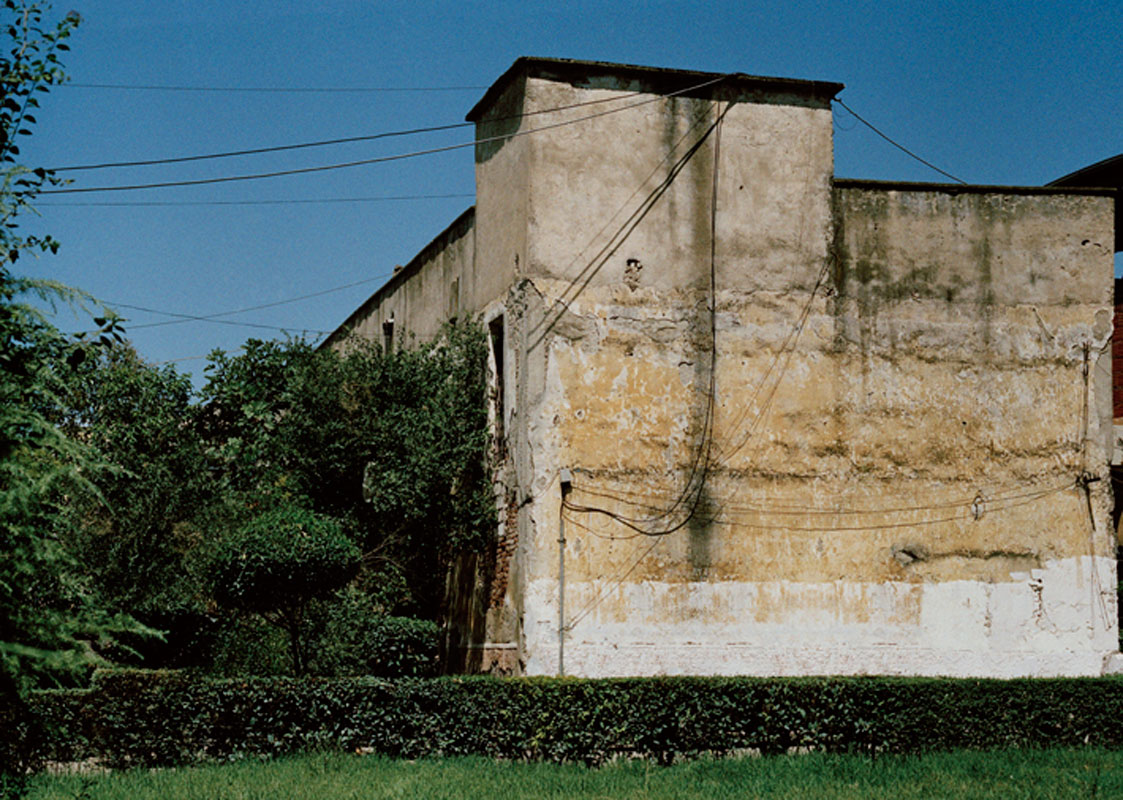
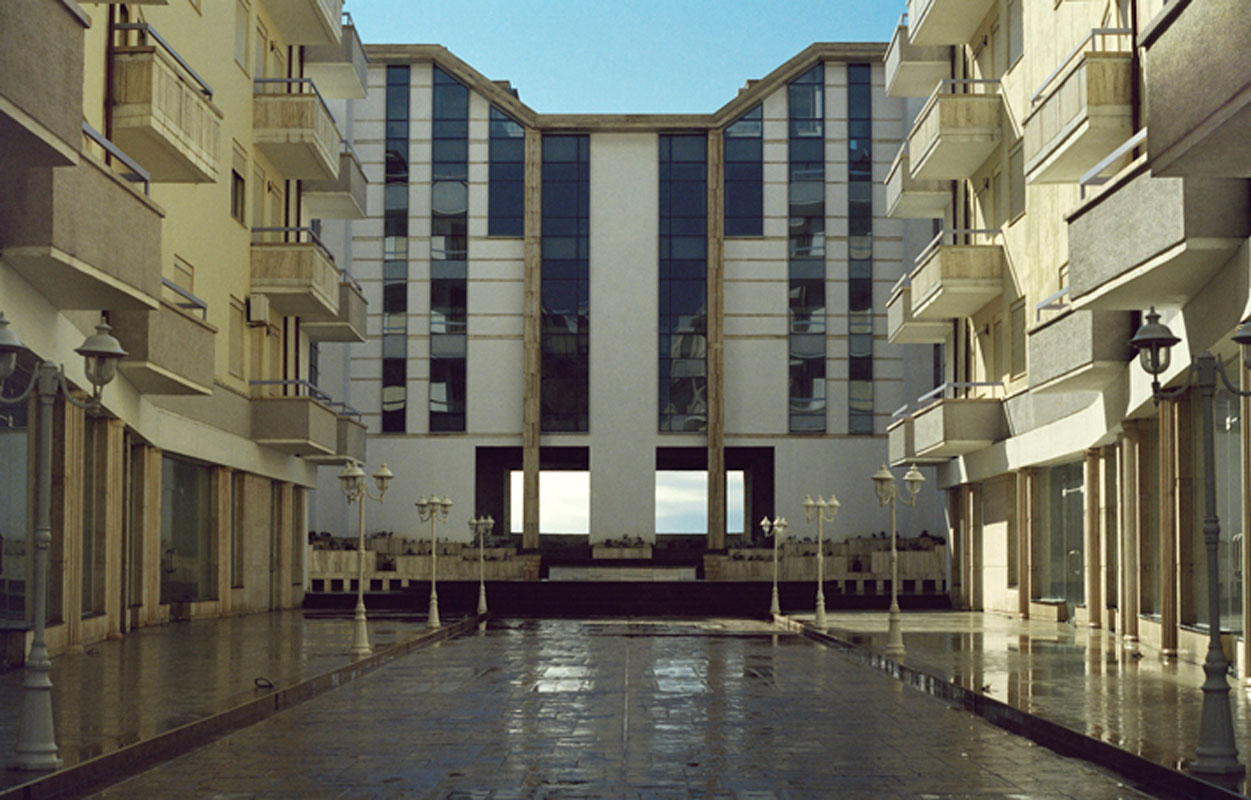
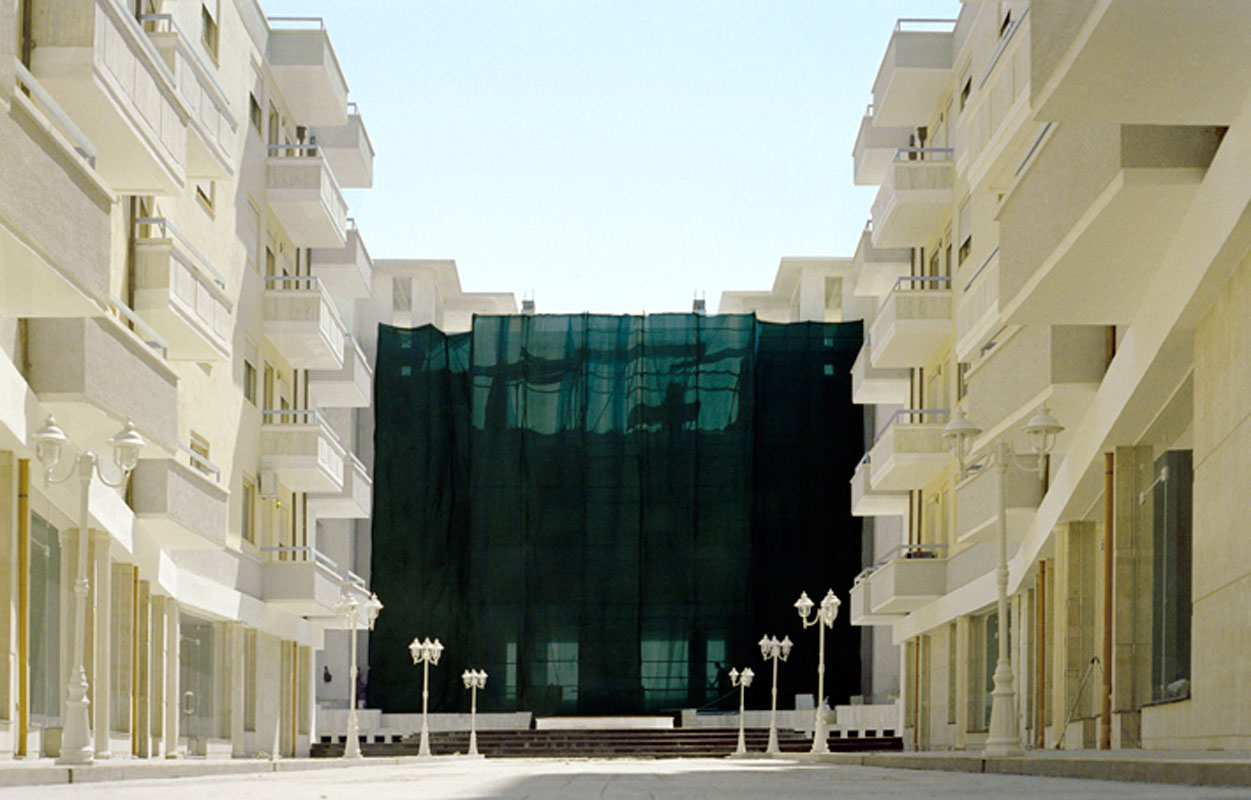
Varnish and Curtain; 2005; C-Print on aluminum; Diptych, 102 x 160 cm; 1/3
fwd

bwd
Varnish and Curtain; 2005; C-Print on aluminum; Diptych, 102 x 160 cm; 1/3
 

Albania or somewhere else on the edge

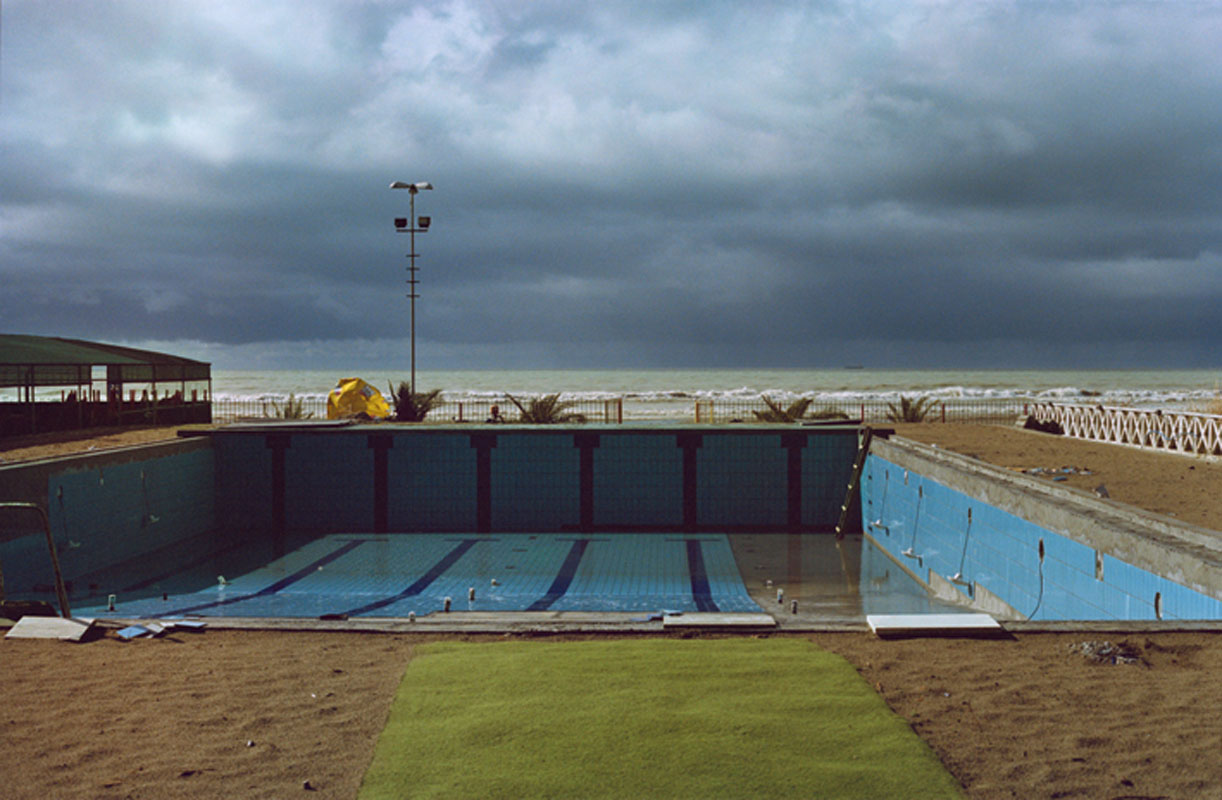
At the entrance to the exhibition is a photo, an empty swimming pool.
Just behind that, the sea and to one side a theatre backdrop constructed in concrete. No one is in sight. Absurd. Life poured liked concrete stands stiff, the space where the week-end cabins once stood is deleted, built-over. Ghosts like those in Shining could appear again. There’s a feeling of mystery, what’s below the palimpsest?
The title of the exhibition associates the terms: over-illuminate, over-light. Perhaps there’ll be no arrival, just a to and fro between walls.
I stood at the coast, the ruins of Europe behind me, and spoke to the froth: BLA BLA. Heiner Müller in the 80s. What followed was the collapse of Eastern Europe, and then the hope of being engulfed in a golden world at lightening speed.
Now, tumbling back to reality; arriving behind the façades of speculation.
Non-places
The last ten years have seen the creation of some terrible non-places. ‘No place nowhere’ - another well-known literary phrase which falls to mind, 2009.
The documentation is a chimera of globalisation, so documentary film festivals and documentary photography are all over. What do you actually want to see or even take with you? The unknown? You won’t be able to find it any longer. After the sad tropics, there’ll only be tropics as mirage. All that remains are fragments of memories. Empty hotel swimming pools in front of the sea, empty theatre backdrops à la Paris, everything just a few years old and already consigned to oblivion.
What went wrong in Silva Agostini’s pictures, what do they show?
Are they metaphors for social backdrop? They aren’t documentary; they’re too abstract, too dry. It’s a metaphorical approach. The picture thus created is a distortion of the real. The artist causes confusion in the observer with the smallest changes in perspective. Nothing is planned or set in scene. It’s simply observed. And so the mood of those attending the exhibition is influenced.
The general atmosphere of the exhibition is tainted by sadness. Whether films or photographs,
Both give an impression of the outside.
The artist has a cool, distant perspective and the individual elements of the exhibition come together to form a canon of absence.
There’s a series of circular landscapes; you wonder what you see and begin to concentrate on irrelevant details before noticing that something’s missing.
The material is taken from those treasured shoeboxes of family photos still common across the globe, photos with various backdrops, here those of the artist’s own family.
But that’s irrelevant. What’s striking is that people are missing. The viewer is reminded of the photography’s beginnings in the 19th century by the use of such round formats.
There’s something voyeuristic about the pictures, yet the object of attention is missing. We see an empty space. Entropy has removed the person actually constituting the picture.
The origin of the film idea lies somewhere between fiction and reality.
What’s to be given primacy? The film perspective lives from settings and camera motion. Agostini is interested in these filmic elements, in fact her work consists of turning these individual vectors around; sometimes the direction of movement or the axis of projection, sometimes slowing speed. The result is a furious journey through the suburbs. Ordinary suburban buildings become mysterious complexes of exclusion. Who lives behind these unending walls? An ordinary street invites the question, where we come from, where we’re going. Where is this street? Is it verifiable or general metaphor? What culture produces such picture documentary material? 


Silva Agostini comes from Albania and studied at the UdK in Berlin. But is that important? Perhaps yes, as it shows the imposition of perspectives from Europe’s edges and from here, the look back on to those believing themselves to be in the centre.
Silva Agostini’s exhibition reminds us that authentic art is in many ways as much a creation of a certain place as of the artist herself.

Peter Lang, Berlin, 2009