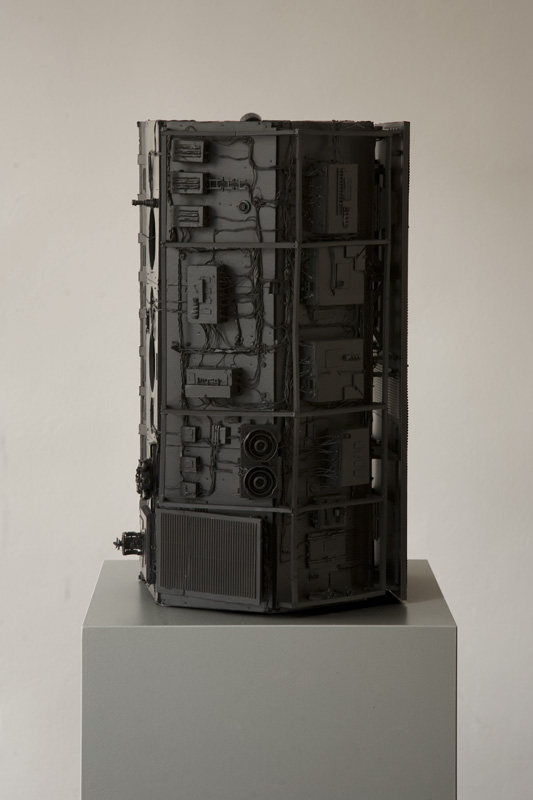
Philip Topolovac Terra Star; 2010
Foamboard, plastic, wire, cable, varnish; 60 x 35 x 35 cm
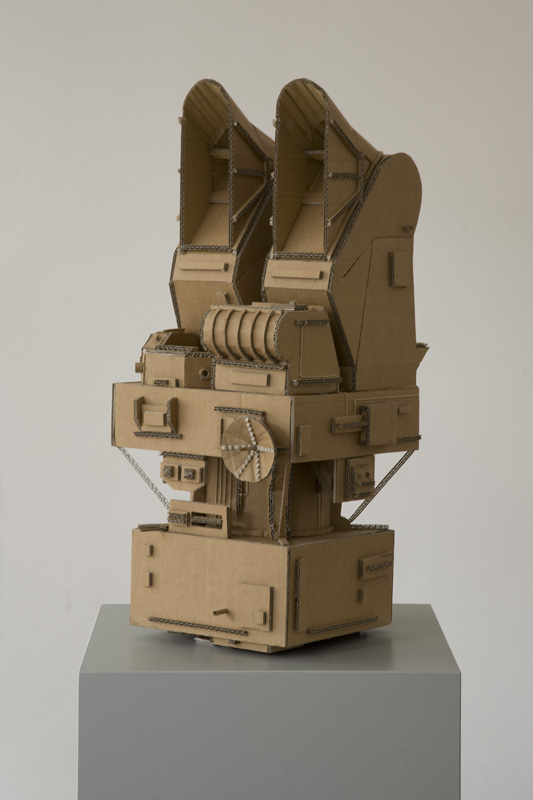
Philip Topolovac Spot V; 2010
Cardboard, packet tape; 71 x 38 x 33 cm

Philip Topolovac World view II; 2010
Foamboard, plastic, cable; 151 x 45 x 45 cm

Philip Topolovac Schütz; 2008
MDF, construction steel; 120 x 80 x 80 cm
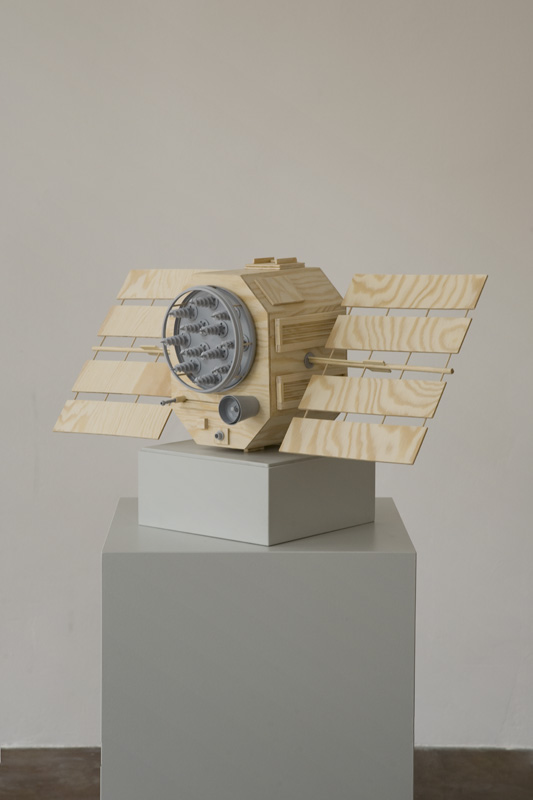
Philip Topolovac GPS Satellit; 2010
Wood, plastic, varnish; 72 x 28 x 28 cm
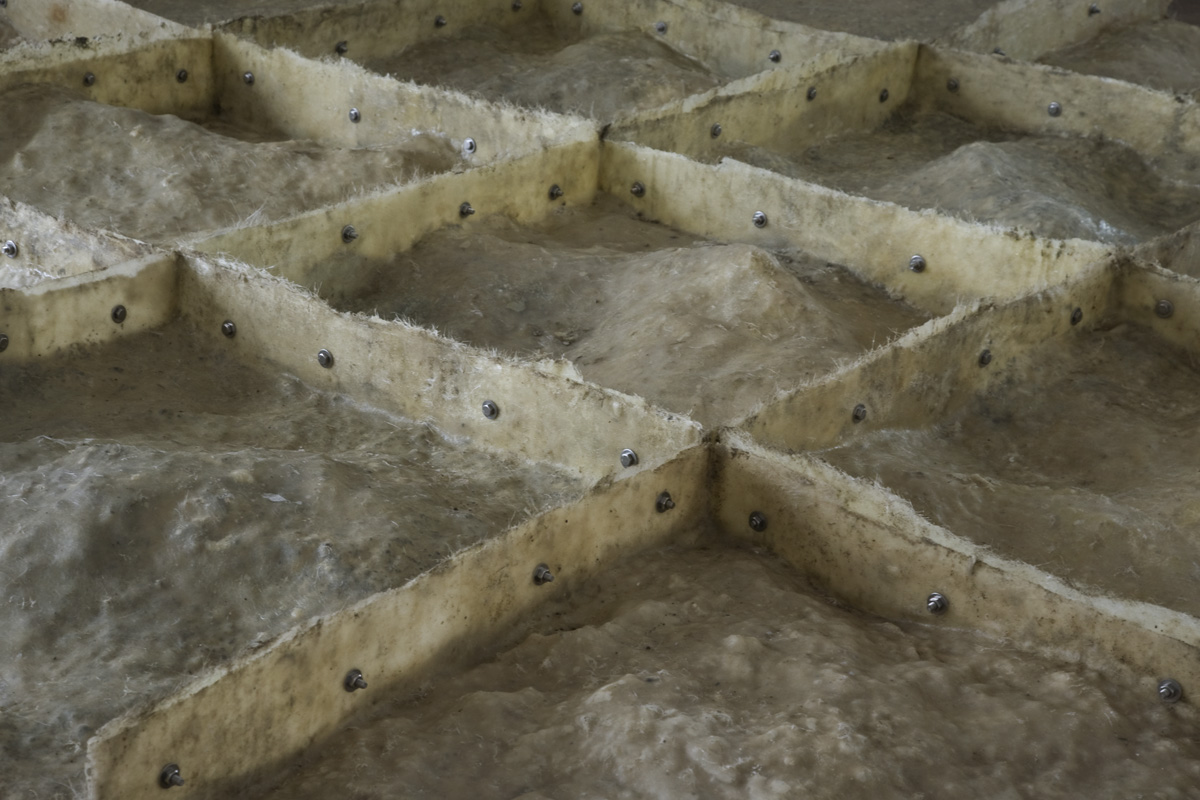
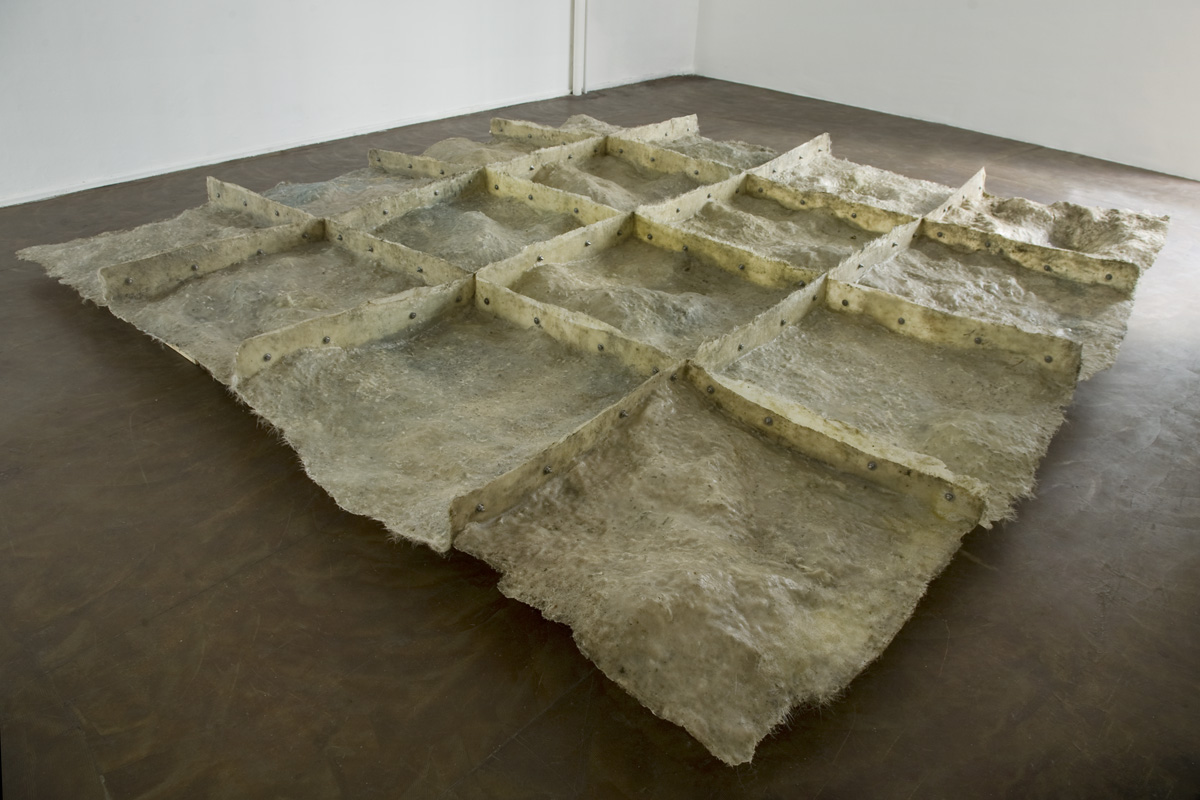
Philip Topolovac Landschaftsform (detail); 2010
Polyester, machine screw; 407 x 410 cm
Philip Topolovac Landschaftsform; 2010
Polyester, machine screw; 407 x 410 cm
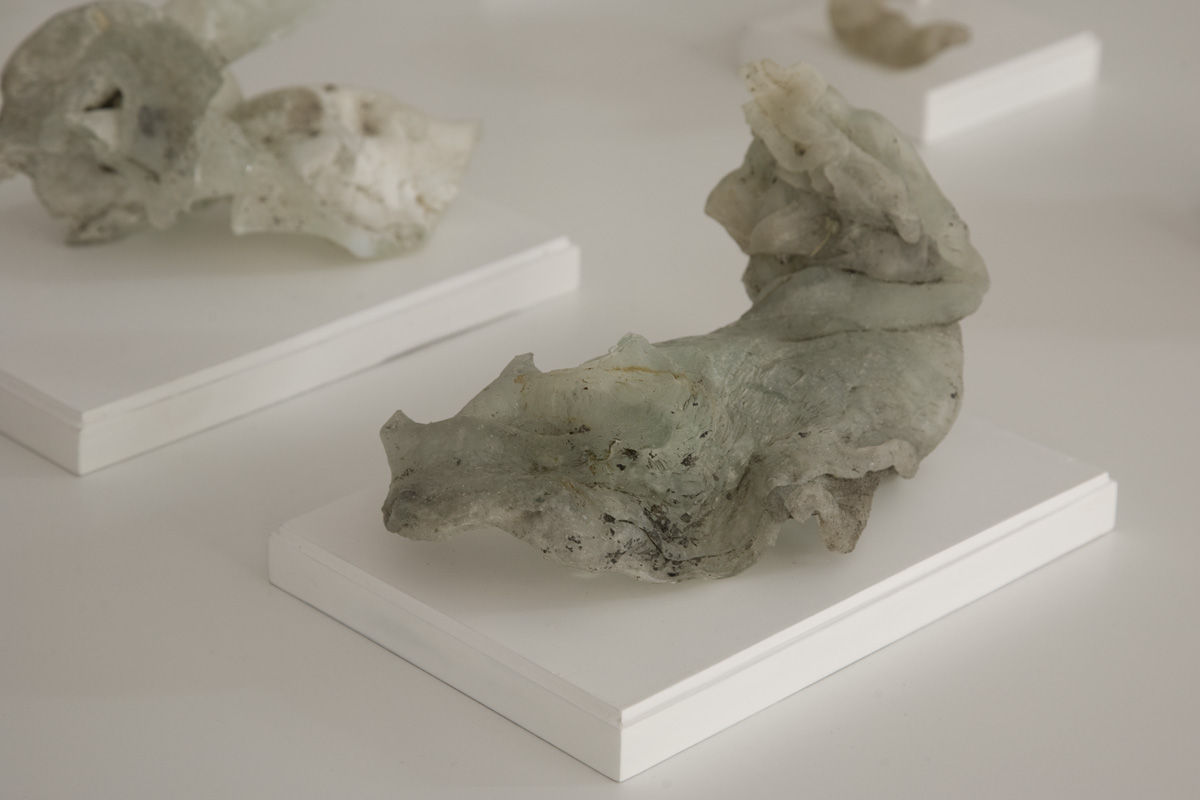
Philip Topolovac Bodenproben (detail); 2010
Fused glass; 52 pieces, variable

Philip Topolovac Bodenproben; 2010
Fused glass; base: 110 x 240 x 160 cm; 52 pieces; variable
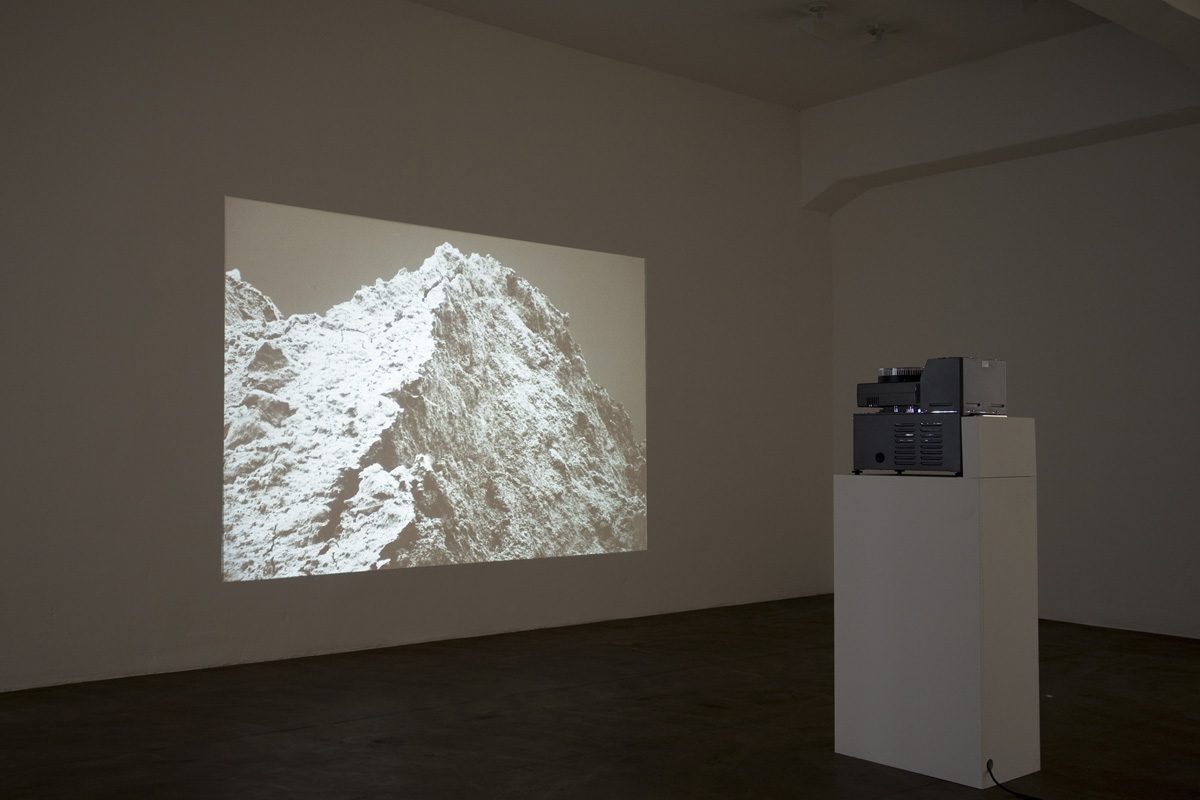
Philip Topolovac Berge; 2008
Slide projection, 80 slides; variable
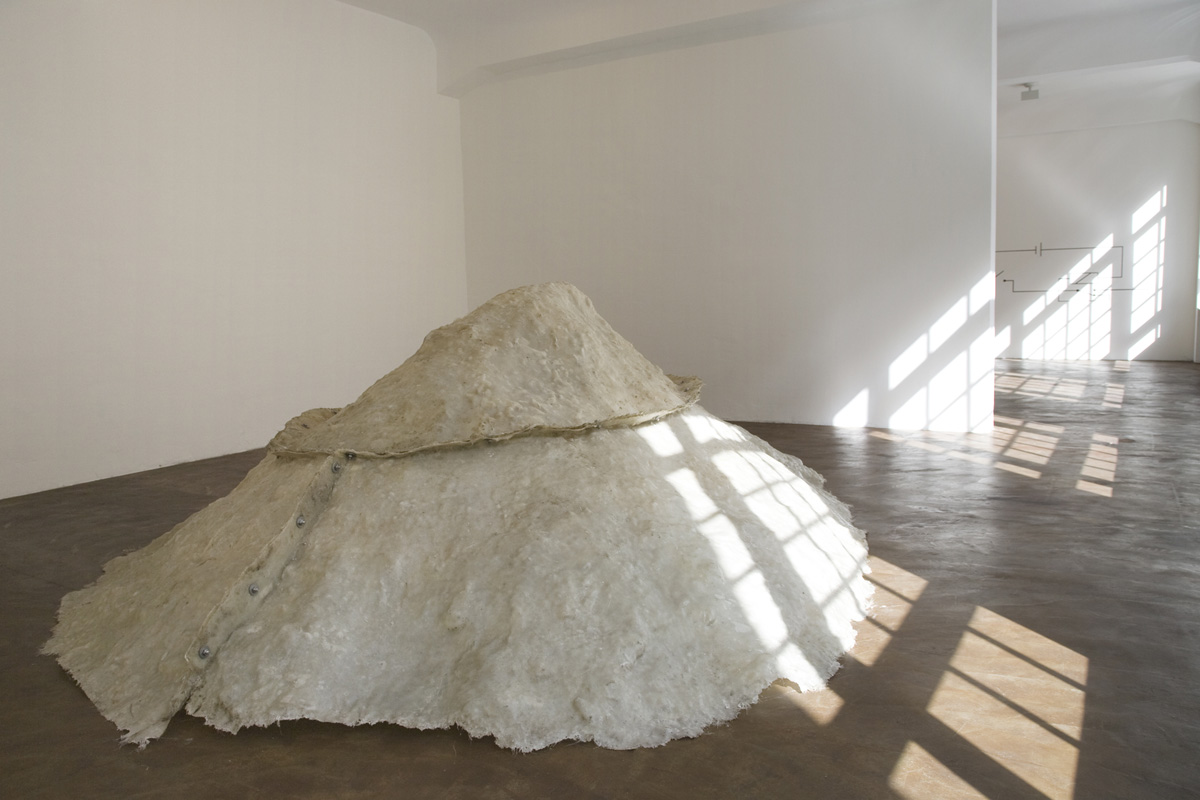
Philip Topolovac Bergform; 2008
Polyester, machine screw; 380 x 250 x 130 cm
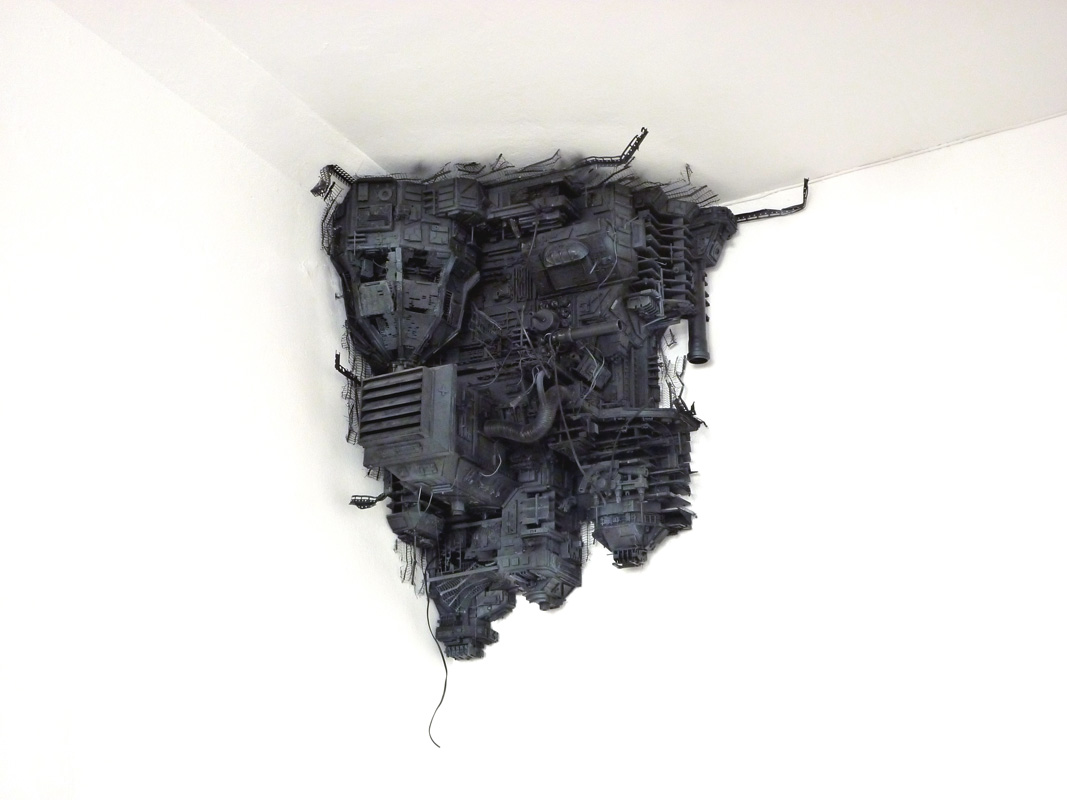
Philip Topolovac Aggregat VI; 2009
Mixed media; 130 x 110 x 130 cm
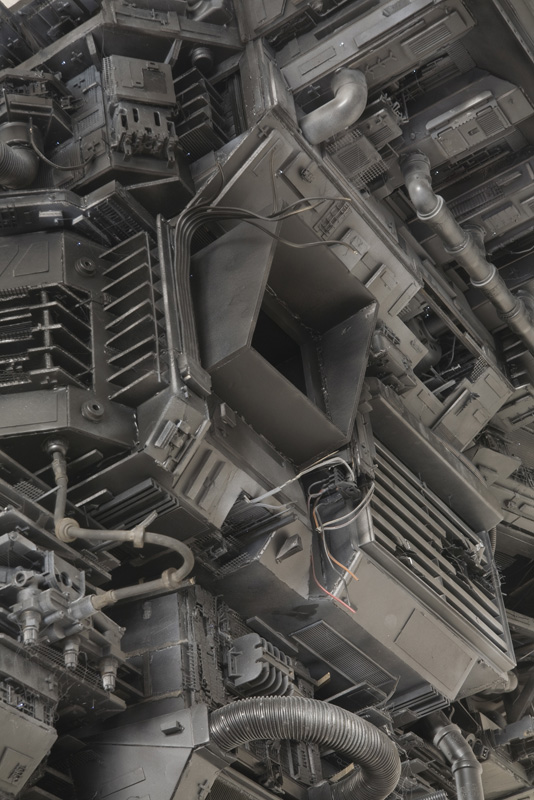
Philip Topolovac Aggregat II (detail); 2008
Mixed media; 180 x 190 x 100 cm
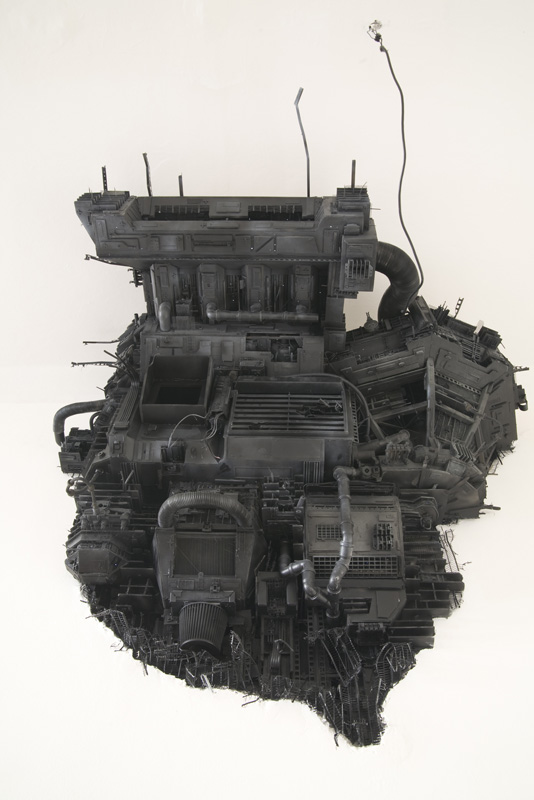
Philip Topolovac Aggregat II; 2008
Mixed media; 180 x 190 x 100 cm
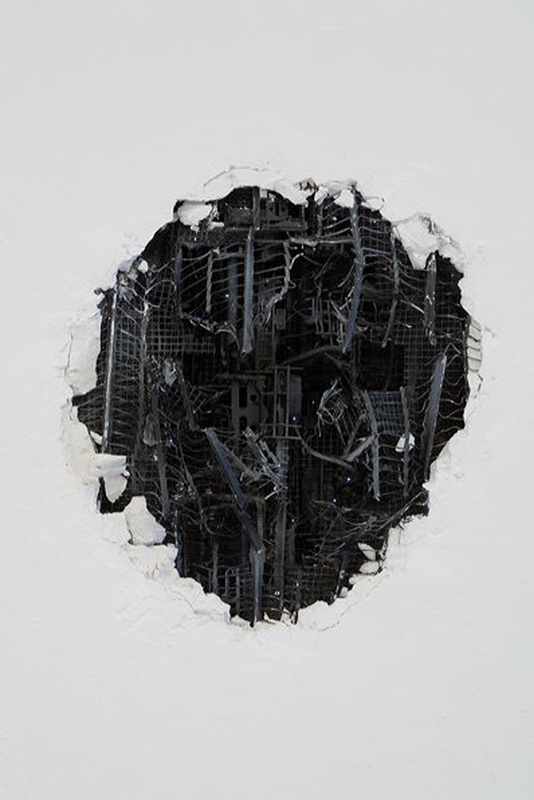
Philip Topolovac Untitled (Loch 1); 2008
Mixed media; 30 x 26 x 7 cm
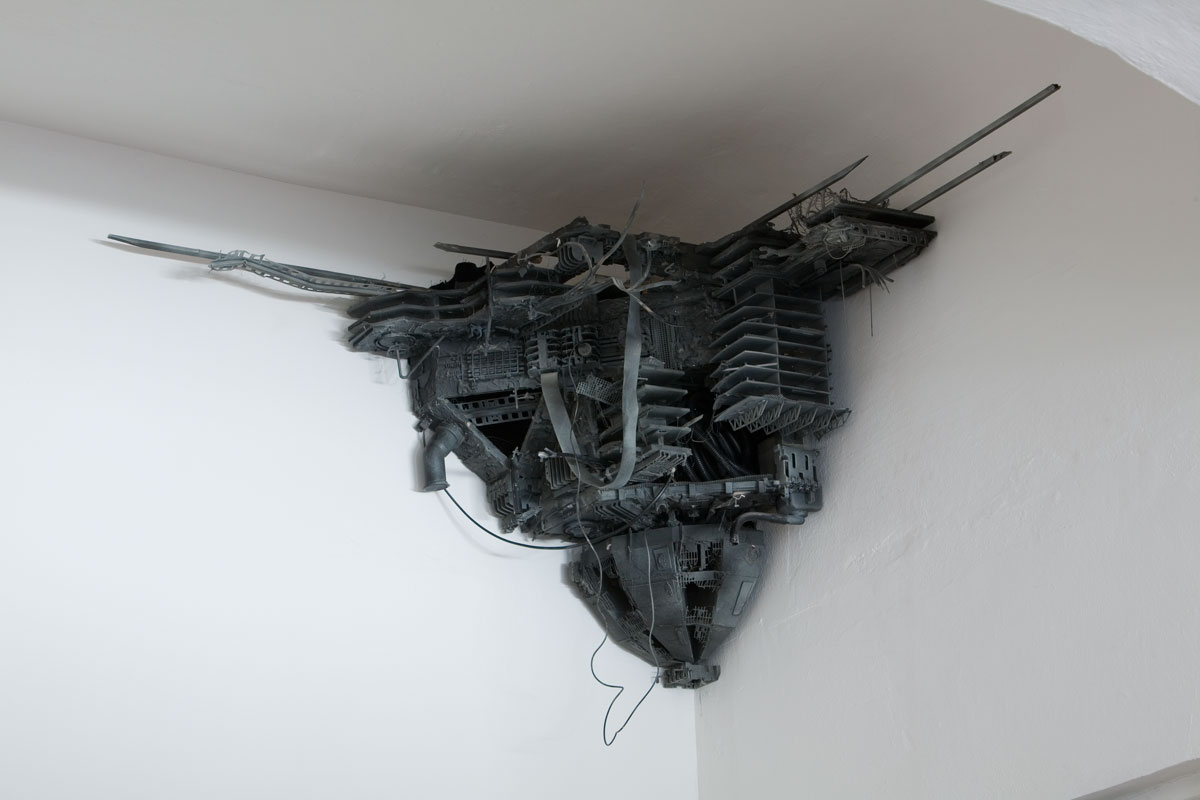
Philip Topolovac Aggregat I; 2007
Mixed media; 74 x 147 x 77 cm
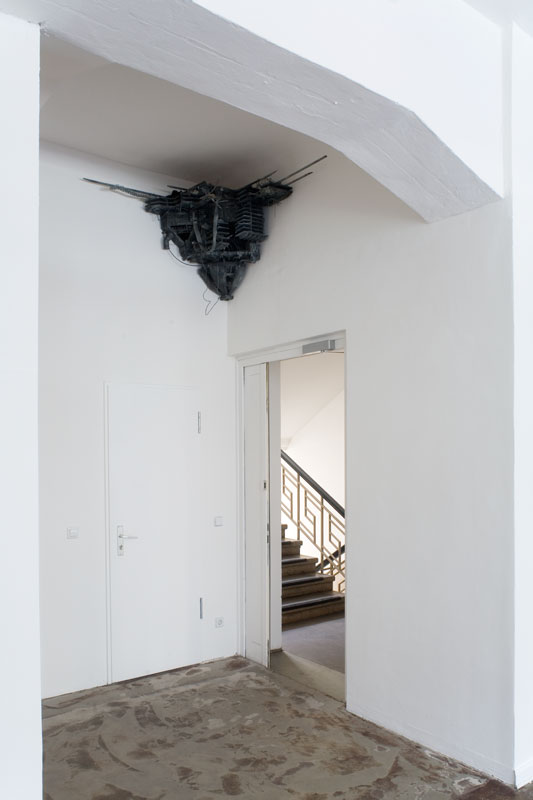
Philip Topolovac Aggregat I; 2007
Mixed media; 74 x 147 x 77 cm
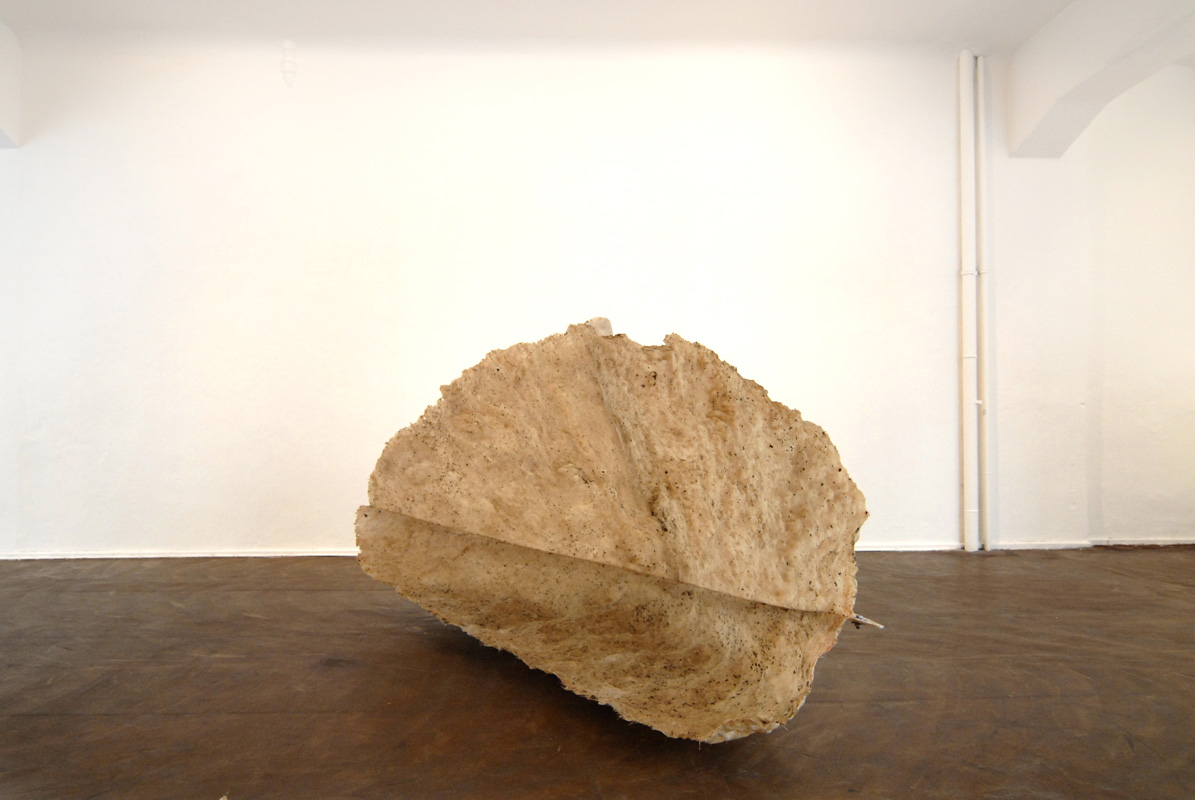
Philip Topolovac Bergform (II); 2009
Polyester, machine screws; 290 x 130 x 140 cm
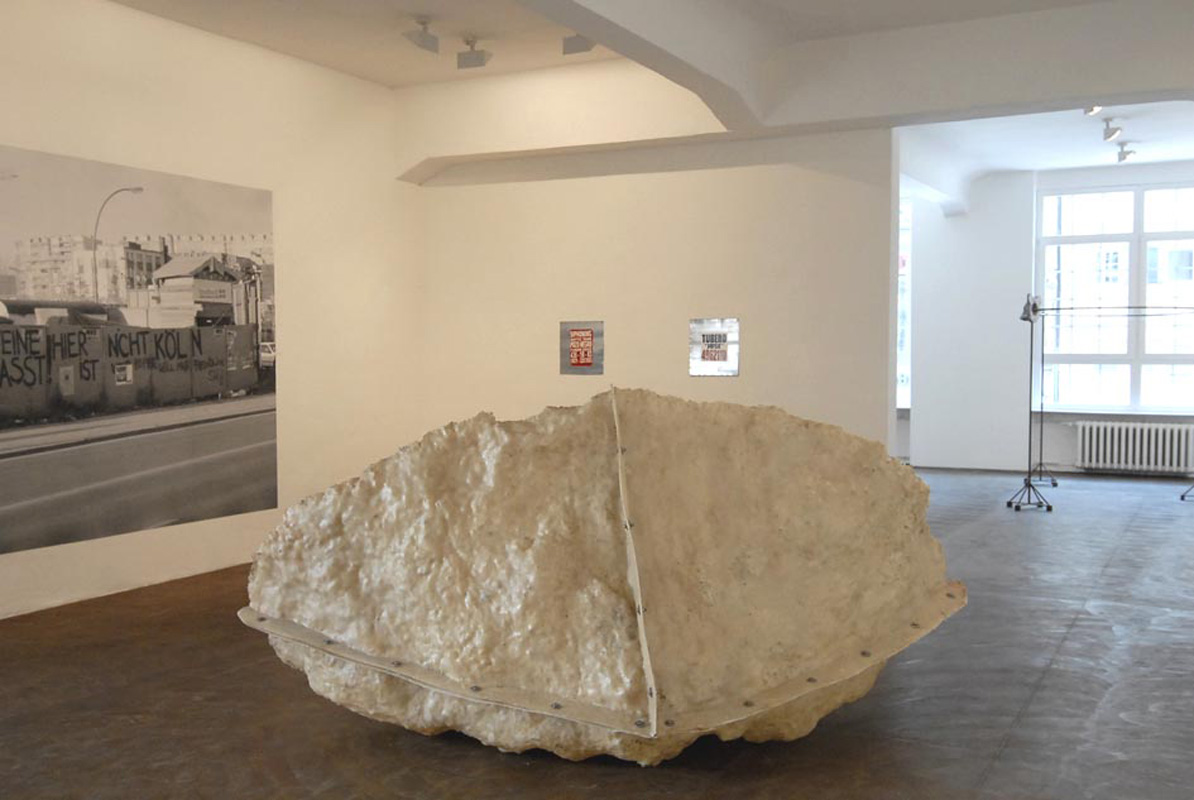
Philip Topolovac Bergform (II); 2009
Polyester, machine screws; 290 x 130 x 140 cm
Coming soon
06.10.2010 - 11.12.2010
30.04.2010 - 15.07.2010
20.06.2009 - 01.08.2009
06.09.2008 - 08.11.2008
15.06.2008 - 01.08.2008
1979
born in Würzburg, Germany
lives and works in Berlin
solo exhibitions
2015
remote sensing, Invaliden1, Berlin (DE)
Niemandsland, Museo Nivola, Orani, Sardinia (IT)
2014
Out of this world, with Martin Schepers, Studiogalerie Haus am Lützowplatz, Berlin (DE)
2013
Containment Units, NuN, Berlin Modely světa, with Ondřej Přibyl; Starter Gallery, Warsaw.
2012
Airshafts, Laboratorio gallery, Prag.
Specimen, Atelierhof Kreuzberg, Berlin.
Enter, Cussler, Berlin.
2011
Diverse Zimmer, Invaliden 1, Berlin.
2010
Earth observations, Galerie Isabella Czarnowska, Berlin.
2009
lichtmaschine, Kwadrat, Berlin Fabian Fobbe und Philip Topolovac, Infernoesque, Berlin.
2008
parasites and mountainviews, Galerie Isabella Czarnowska, Berlin.
2007
deep within blind fleck, TÄT, Berlin.
group exhibitions (selected)
2014
Netz. Vom Spinnen in der Kunst, Kunsthalle Kiel, Kiel (DE)
Das mechnische Corps, Künstlerhaus Bethanien, Berlin (DE)
2013
Forever Young, Kunsthalle Nürnberg, Nürnberg (DE)
Cumuli, Kunstverein am Rosa-Luxemburg-Platz, Berlin (DE)
Springhouse, Haus H, Dresden (DE)
the Legend of the shelves, Autocenter Berlin (DE)
Science Fictions, Café Warschau, Berlin (DE)
Über das Geistige in der Kunst, Atelier Rodenacker, Berlin (DE)
2012
Berlin.Status, Künstlerhaus Bethanien, Berlin.
# 12 Licht, Kantine Aqua Carré, Berlin.
Ripe, Tape Modern, Berlin.
Die ungarische Methode, Reh- Kunst, Berlin.
Unsichtbar, Neon Chocolate gallery, Berlin.
Far Afield, Novopo, Weitenhagen, Germany.
Ballungsraum, Babette, Berlin.
partouse, studio Hallermann/ Mann, Berlin.
Le Trac, Front View at Cube Berlin, Berlin.
Der arge Weg der Erkenntnis, Gloria gallery, Berlin.
2011
From Trash to Treasure, Kunsthalle Kiel.
Monotonie- Melancholie, Glue, Berlin.
Die ungarische Methode, Kunstverein Aschersleben.
Solos II, Ozean Galerie, Berlin.
Baumann und Fuchs, Anton v. Werner Haus, Berlin.
Topophilia, Work gallery, Detroit.
Nastnevnici, Meetfactory, Prag.
Modulite, Präsentation in der deutschen Botschaft, Prag.
Starving Artist Superstar, Archive Books, Berlin.
Dreizehn, Galerie Filser und Gräf, München.
Pophits II, im Rahmen von „Based in Berlin“, Autocenter, Berlin.
pophits,tanzschule projects, Munich.
2010
To the Highest Mountain,Galleri Christina Wilson, Kopenhagen.
Disasters of Peace, Umspannwerk Tiergarten, Berlin.
little disco, Späti International, Berlin.
Grand Slam, Büro Adalbert; Forum Factory, Berlin.
Ein Fest für Boris – 2.Akt, Galerie Vittorio Manalese, Berlin.
Ein Fest für Boris – 1.Akt, Galerie Vittorio Manalese, Berlin.
Bakowski, Bosacki, Plessen, Tarasewicz, Topolovac, Galerie Isabella Czarnowska, Berlin.
Fresco Mondo zur 01. Kreuzberg Biennale „Ayran & Yoga“, Fogotten Bar, Berlin.
AKA SYMBOL II, HBC, Berlin.
Gute Karten, Haus am Kleistpark, Berlin.
AKA SYMBOL I, Forgotten Bar Project, Berlin.
Das Geschehen 2, Appartment, Berlin.
Salon Österreich zu Gast, Kunstverein, Aschersleben, Germany.
2009
Berlin meets Vienna, Salon Österreich, Wien.
Dank an, kuratiert bei Raimer Stange, Galerie Isabella Czarnowska, Berlin.
Schickeria Photogala, Babette, Berlin.
High Society, Schickeria, BDA Braunschweig, Germany.
Talpas Labyrinth, Humboldt Umspannwerk, Berlin.
Fabian Fobbe and Philip Topolovac, Infernoesque, Berlin.
4th international lanternfestival, Rosengarten am Weinbergspark, Berlin.
2008
something to answer for, Wiensowski & Harbord, Berlin.
Unité, Galerie Infernoesque, Heidestr. Berlin.
Kunstinvasion- Initiative Kunsthalle Berlin; Blumengroßmarkt, Berlin.
Daniel Kannenberg, Markus Döbeli, Philip Topolovac, Galerie Isabella Czarnowska, Berlin.
Jagd und Kugelfang; Galerie Spesshardt & Klein, Berlin.
2007
Reithalle Kreuzberg, Berlin.
Nacht der Süßen Bienen, Schickeria, Berlin.
andernorts with Silva Agostini, Gallas & Mayer, Bayreuth.
Boys and their toys, Kunstraum Kreuzberg, Berlin (DE)
Das mechanische Corps, HMKV, Dortmund (DE)
Interview: Einblick (411): by TAZ
taz: Welche Ausstellung in Berlin hat Sie/dich zuletzt an- oder auch aufgeregt? Und warum? Philip Topolovac: Die Gesichter der Renaissance waren fantastisch – die seltsam klaren und irgendwie verschrobenen Portraits dieser Zeit begeistern mich immer wieder – die Gesichter der Postmoderne in der endlosen Schlange davor waren allerdings
...read more on
Pressemitteilung zur ART COLOGNE 2011 by Art Cologne
Philip Topolovac (geboren 1979, lebt in Berlin) beschäftigt sich in seinen Arbeiten mit der Frage nach Abbild und Realem, Formaten und Größen des Ästhetischen. Die Mechanisierung der modernen Welt hat die Wahrnehmung des alltäglichen Lebens verändert. Wir alle nutzen Maschinen
...read more on
Luc Tuymans curates: A Vision of Central Europe by PHAIDON
It has been suggested that, for a city with such a rich heritage, Bruges has few dedicated art institutions. But what the city lacks in permanent galleries – primarily those concerned with contemporary art – it has more than made up for with its recent series of highly successful
...read more on
Books and Articles
Topolovac, Philip, Przechowywatory / Containment Units, Galeria Miejska “Arsena?”, Punkt 11, Poznan 2013.
Grimm, Brigit, Privat war gestern, heute ist Frühling, Sächsische Zeitung, 18.04.2013, p. 9.
artist portrait in “mehr Berlin” Tagesspiegel, 20.10.2012.
“Berlin.Status”, Künstlerhaus Bethanien, Berlin 2012. (cat.)
Philip Topolovac at Invaldien1, Niche, Berlin Hüsch, Anette (ed.), From Trash to Treasure. Wertewandel. Material – Gegenstand – Motiv. Eine Ausstellung der Graphischen Sammlung, Kunsthalle Kiel, Kiel 2011 (cat.)
Probst, Carsten, From Trash to Treasure. Eine Ausstellung in Kiel über den Müll und die Kunst, Deutschlandfunk Online, 05.11.2011
Starving artist Superstar, Freie Universität zu Berlin, Berlin 2011. (cat.)
Einblick 411; interview TAZ, 23.11.2011
Philip Topolovac, Universität der Künste Berlin, Berlin 2010. (cat.)
Müller, Jana and Alexej Meschtschanow, The Disasters of Peace, Sammlung Haus N Kiel, Kiel 2010 (cat.)
Grand Slam, Büro Adalbert, Berlin (cat.)